
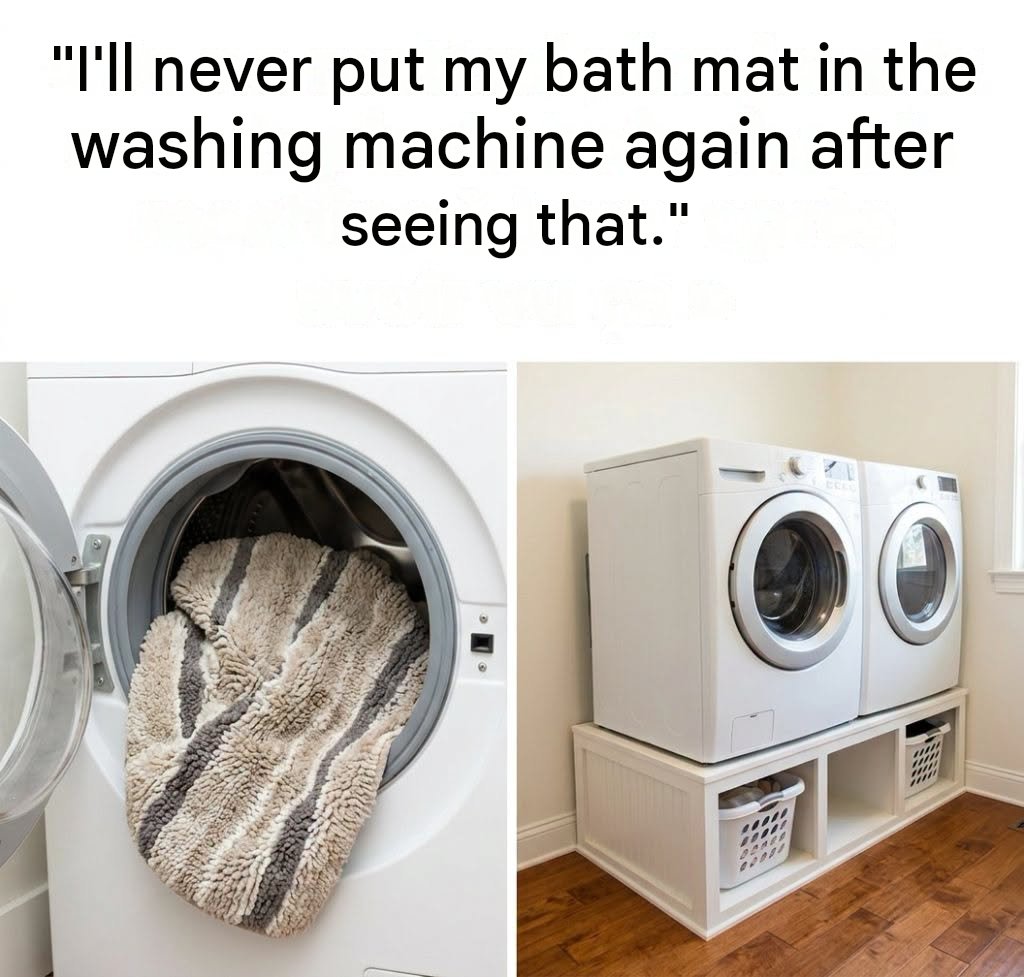
# Washing Your Bath Mat in the Machine? 🛁⚠️ See Why it Can Cause Problems 👇
Bath mats are essential for maintaining cleanliness and safety in your bathroom. However, many homeowners often wonder whether they can simply toss their bath mat into the washing machine for a quick clean. While this may seem convenient, it can lead to several issues. In this article, we will explore why washing your bath mat in the machine may cause problems and provide tips for proper maintenance.
## Understanding Bath Mats: Materials Matter
Before delving into washing procedures, it’s vital to understand the types of materials that bath mats are made from. Common materials include:
– **Cotton:** Soft, absorbent, and machine-washable, but it can shrink and lose its shape if washed improperly.
– **Microfiber:** Offers excellent absorbency and dries quickly, but it can be prone to wear and tear when washed with abrasive items.
– **Memory Foam:** Provides plush comfort but generally is not recommended for machine washing due to potential damage.
– **Rubber or Vinyl Backed:** Provides excellent grip but may degrade or warp in high temperatures or with harsh detergents.
Always check the care label before deciding to machine wash your bath mat. Some materials may specifically indicate hand washing or air drying only.
## Common Problems from Machine Washing Bath Mats
### 1. **Damage to the Bath Mat**
One of the primary concerns with machine washing bath mats is the potential for damage. Depending on the material, the agitation from the washing machine can lead to frayed edges, unraveling threads, or degradation of the backing material. This damage not only shortens the lifespan of the bath mat but can render it unusable altogether—prompting the need for a costly replacement.
### 2. **Buildup of Mold and Mildew**
If your bath mat does not dry completely between washes, it can become a breeding ground for mold and mildew. Bath mats are frequently exposed to moisture, and failure to ensure complete drying may amplify the growth of these unwanted organisms. Mold and mildew can pose health risks, especially for individuals with allergies or respiratory issues.
### 3. **Residual Odors**
Some washing machines are not as efficient in thoroughly cleaning bath mats. If detergent or fabric softener isn’t rinsed out completely, it can leave behind a residue that leads to unpleasant odors. This issue is particularly notable with mats that have been washing multiple times without proper cleaning procedures, as the accumulated dirt may contribute to persistent smells.
### 4. **Color Fading**
Colors can fade over time, especially if the bath mat is subjected to hot water or harsh detergents during machine washing. Bright and vibrant mats may lose their appeal and not retain their original tones after repeated washes. If maintaining the appearance of your bath mat is a priority, machine washing may not be the best option.
### 5. **Incompatibility with Washer Settings**
Different materials require different care settings. Using high spin cycles or inappropriate water temperatures can harm the bath mat. Many washing machines have settings that may not be suitable for all bath mat types. Hence, it’s crucial to pay attention to the washing settings to avoid potential problems.
## Best Practices for Washing Bath Mats
### **1. Spot Cleaning**
Instead of machine washing, opt for spot cleaning your bath mat. Use a damp cloth, some mild detergent, and gently scrub the stained areas. This method allows you to maintain cleanliness without risking damage.
### **2. Hand Washing**
For deeper cleaning, consider hand washing your bath mat. Fill a tub or sink with cool or lukewarm water and a gentle detergent. Allow the mat to soak and then scrub carefully with a soft-bristled brush. Rinse thoroughly and hang to dry to avoid mold buildup.
### **3. Air Drying**
Whether you’ve hand washed or machine washed your bath mat (if permissible), air drying is always the safest option. Lay it flat or hang it in a well-ventilated area to ensure thorough drying, preventing potential mildew and odors.
### **4. Frequency of Cleaning**
Depending on how frequently the bathroom is used, you should clean your bath mat regularly, typically every couple of weeks. Maintaining a clean bath mat not only presents an attractive appearance but also promotes hygiene.
## Alternatives to Machine Washing
If you’re still keen on using a machine for laundering bath mats, consider these alternatives:
### **1. Use a Laundry Bag**
A mesh laundry bag can help protect your bath mat during a machine wash. This additional layer can prevent snagging and damage to both the mat and the machine.
### **2. Select Gentle Settings**
If you decide to machine wash your bath mat, choose a gentle cycle with cold water. Avoid using harsh detergents and fabric softeners, which can degrade the materials and create a buildup.
### **3. Wash Alongside Heavier Items**
To reduce the strain on the mat during a wash cycle, consider placing it in the machine alongside heavier items like towels or blankets. This balance helps maintain its integrity during the wash.
## Conclusion
In summary, while washing your bath mat in the machine may seem convenient, it can result in various problems, including damage to the mat, mold growth, and fading colors. Understanding the materials of the mat and adopting best care practices can extend its lifespan and maintain a fresh, odor-free environment. Embrace hand washing or spot cleaning as safer alternatives, and consider the recommendations to ensure the quality of your bath mat remains intact. By taking care of your bath mat, you not only enhance its longevity but also contribute to a cleaner and safer bathroom environment.
