
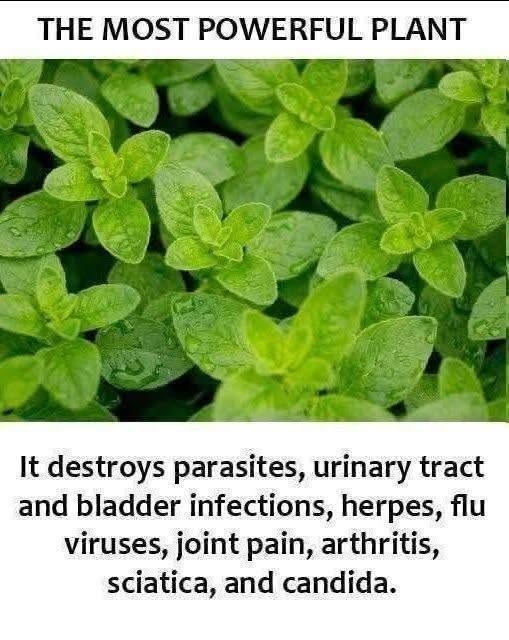
Oregano Leaves and Oregano Essential Oil Are Not the Same Thing
This is perhaps the most important distinction in the entire discussion.
Adding dried oregano to tomato sauce is not equivalent to swallowing oregano essential oil.
Essential oils are highly concentrated preparations containing volatile plant compounds. A small bottle can represent a concentration far beyond anything normally consumed when seasoning food.
Something being derived from a plant does not automatically mean that every concentration, dose, or method of use is harmless.
How to Use Oregano as a Food
The simplest and most established way to enjoy oregano is also the least dramatic: cook with it.
Fresh or dried oregano works beautifully with:
Tomatoes
Roasted vegetables
Potatoes
Chicken
Fish
Beans
Lentils
Soups
Stews
Salad dressings
Olive oil marinades
Egg dishes
Homemade breads
Using herbs to add flavor can also make nutritious foods more enjoyable without requiring large quantities of sugar or heavy sauces.
Fresh Oregano Versus Dried Oregano
Fresh and dried oregano have noticeably different culinary personalities.
Fresh oregano can taste greener and somewhat softer, while dried oregano often has a more concentrated aroma.
Because dried herbs are concentrated, recipes generally require less dried oregano than fresh oregano.
Neither form needs to be considered universally healthier. They are simply different ways of using the plant.
How to Make Simple Oregano Tea
If you enjoy herbal teas, dried oregano leaves can be steeped in hot water to make a strongly aromatic beverage.
A simple preparation can use approximately one teaspoon of dried culinary oregano per cup of hot water.
Allow it to steep for several minutes, then strain the leaves.
Some people add lemon or a small amount of honey for flavor.
This should be viewed primarily as an herbal beverage rather than a treatment for infection or chronic disease.
Does Oregano Tea Cure Colds?
No herbal tea should be expected to cure the common cold.
Warm liquids can nevertheless be comforting when someone is sick. They contribute fluid and may temporarily soothe throat irritation.
That can make oregano tea enjoyable during a minor illness without needing to attribute unrealistic medicinal powers to it.
What Is Oil of Oregano?
The terminology around oregano products can be confusing.
Products marketed as “oil of oregano” may be formulated dietary products containing oregano extracts or essential oil diluted in another oil.
Pure oregano essential oil is much more concentrated.
Because products differ significantly in composition and concentration, instructions for one product should never automatically be applied to another.
Never Assume Pure Essential Oil Is Safe to Swallow
Essential oils can irritate tissues and may cause adverse effects when misused.
Do not assume that swallowing drops of a pure essential oil is safe simply because oregano itself is edible.
If using a commercial supplement intended for oral consumption, follow the actual product instructions and consider discussing its use with a healthcare professional, particularly if you have medical conditions or take medication.
Using Oregano Oil on the Skin
Concentrated essential oils can irritate skin.
Oregano essential oil in particular can be irritating when applied improperly.
It should not simply be poured undiluted onto sensitive skin, wounds, the eyes, or mucous membranes.
Commercial topical products should be used according to their directions.
Stop using a product if significant burning, redness, swelling, blistering, or another reaction develops.
Can Oregano Oil Treat Acne?
Laboratory antimicrobial properties have encouraged claims that oregano oil can eliminate acne.
But acne is influenced by several factors, and irritating the skin with concentrated essential oil can potentially make matters worse.
Evidence-based acne treatments are more predictable than experimenting with highly concentrated oregano oil directly on the face.
Can It Be Used on Wounds?
Do not assume that a substance described as antimicrobial should be placed directly into an open wound.
Appropriate wound cleaning and treatment depend on the type and severity of the injury.
Deep wounds, animal bites, significant burns, contaminated punctures, uncontrolled bleeding, or signs of infection require appropriate care.
Oregano Supplements
Oregano is also sold as capsules, extracts, tinctures, and other dietary supplements.
These products may contain much more concentrated quantities than culinary oregano.
Supplement strength and formulation can vary considerably, so the experience of sprinkling oregano onto dinner cannot be used to predict how someone will respond to a concentrated supplement.
More Is Not Necessarily Better
This is an important principle for herbal products generally.
If a plant contains biologically active compounds, increasing the dose may increase adverse effects as well as any desired activity.
Natural substances still interact with human physiology.
Extremely concentrated products should therefore be treated with more respect, not less.
Possible Side Effects
Culinary oregano is generally well tolerated by most people when consumed in ordinary food quantities.
Concentrated preparations may be more likely to cause problems.
Depending on the product and individual sensitivity, adverse effects can include digestive discomfort or irritation, and topical products may cause skin reactions.
Allergic reactions are also possible.
Who Should Be Especially Careful With Supplements?
Extra caution is sensible for people who are pregnant or breastfeeding, have chronic medical conditions, take prescription medications, are preparing for surgery, or have known allergies to related plants.
Children should not automatically be given concentrated oregano products simply because the ingredient is natural.
If you take regular medication, a pharmacist or healthcare professional can help assess whether a supplement could create an unwanted interaction.
Why “Natural” Does Not Mean Risk-Free
Nature produces some remarkably useful substances, but it also produces extremely potent ones.
Safety depends on the substance, concentration, amount, route of exposure, individual health, and other medications being used.
The familiar presence of oregano in the kitchen can make concentrated oregano oil seem harmless, but they should not be treated as interchangeable.
Can Oregano Replace Antibiotics?
No.
This is one of the most important misconceptions to correct.
Antimicrobial effects observed in laboratory experiments do not establish oregano as an appropriate substitute for antibiotic treatment when a bacterial infection requires one.
Delaying appropriate treatment for a serious infection can allow it to worsen.
At the same time, antibiotics themselves should only be used appropriately because unnecessary use contributes to antibiotic resistance.
Can Oregano Eliminate Parasites?
Online wellness claims frequently describe oregano oil as a broad “parasite cleanse.”
Parasitic infections are not one single condition. Different parasites require different diagnostic tests and treatments.
Symptoms such as bloating, fatigue, or digestive discomfort do not prove that someone has parasites.
If there is a genuine reason to suspect a parasitic infection—such as relevant travel, exposure, persistent gastrointestinal symptoms, or an identified infection—proper diagnosis is far more useful than an unsupervised herbal cleanse.
Does Oregano Detox the Liver?
There is no need to think of oregano as a special liver detoxification treatment.
The liver already performs complex metabolic and processing functions continuously.
Supporting long-term liver health is more meaningfully associated with factors such as avoiding excessive alcohol, maintaining metabolic health, using medications appropriately, preventing or treating viral hepatitis where relevant, and eating a balanced diet.
Oregano can certainly be part of that diet, but it does not need to be marketed as a detox.
The most impressive way to use oregano may actually be the simplest one: instead of chasing extreme doses, make this aromatic herb part of the foods you already eat.Easy Ways to Add More Oregano to Your Meals
Oregano’s greatest advantage may be how easy it is to use.
You can sprinkle dried oregano onto roasted vegetables before cooking or combine it with olive oil, garlic, and lemon for a simple marinade.
Add it to tomato-based soups and sauces, stir it into beans, or use fresh leaves in Mediterranean-inspired salads.
It also pairs naturally with basil, thyme, rosemary, parsley, garlic, black pepper, and lemon.
Oregano With Tomatoes
Tomatoes and oregano are one of the most familiar culinary combinations for good reason.
Fresh tomatoes can be combined with olive oil, oregano, herbs, and a modest amount of salt for a simple side dish.
Oregano can also transform an ordinary tomato sauce without requiring excessive sugar or fat.
Oregano With Vegetables
Try oregano on zucchini, eggplant, bell peppers, onions, mushrooms, potatoes, or cauliflower.
Herbs and spices can make vegetables significantly more appealing, which is nutritionally useful in a very practical sense: enjoyable vegetables are more likely to be eaten regularly.
Oregano With Beans and Lentils
Beans and lentils provide fiber, plant protein, minerals, and other nutrients.
Oregano adds depth to these inexpensive foods and works especially well alongside tomatoes, onions, garlic, and olive oil.
This is a much more realistic example of how oregano can contribute to health: not through miraculous cures, but by helping make nutritious meals flavorful.
Oregano With Olive Oil
A mixture of olive oil, oregano, lemon, and other herbs can make a simple dressing or marinade.
It can be used with salads, vegetables, beans, or appropriate cooked proteins.
If preparing flavored oils for storage, however, follow proper food-safety practices. Homemade mixtures containing fresh herbs or garlic should not simply be left indefinitely at room temperature.
Growing Oregano at Home
Oregano is also a rewarding herb for home gardeners.
It generally appreciates good light and soil that drains well.
Once established under suitable conditions, oregano can produce enough leaves for repeated harvesting.
Growing it at home also makes it easy to use small amounts of fresh oregano whenever a recipe needs extra flavor.
Harvesting Fresh Oregano
Leaves can be clipped as needed while allowing enough healthy growth to remain on the plant.
Freshly harvested oregano can be rinsed appropriately before culinary use and added to recipes whole or chopped.
The flavor can be strong, so begin with a modest quantity and adjust according to taste.
Drying Oregano
If you grow more oregano than you can use fresh, drying provides a convenient way to preserve it.
Leaves should be properly dried before long-term storage because residual moisture encourages deterioration.
Once fully dry, store oregano in a clean airtight container away from excessive heat, moisture, and direct light.
Does Dried Oregano Lose Its Benefits?
Drying changes the composition and concentration of aromatic compounds, but dried oregano remains a useful culinary herb.
Over long periods, however, dried herbs gradually lose aroma and flavor.
If oregano has been sitting in the cabinet for years and barely smells when rubbed between your fingers, replacing it may dramatically improve your cooking.
Is Organic Oregano Necessary?
Organic and conventionally produced oregano can both be used as part of a healthy diet.
The label does not transform oregano into a medicine, nor does an organic designation guarantee that a supplement is appropriate or effective for treating disease.
For culinary oregano, freshness, quality, flavor, storage, and safe food handling are practical considerations.
What About Wild Oregano?
Products advertised as “wild oregano” are often marketed as more potent.
Botanical species, growing conditions, processing, and concentrations can influence the chemical profile of oregano products.
But “wild” should not automatically be interpreted as stronger, safer, or medically superior.
For supplements and essential oils, the actual formulation matters more than dramatic marketing language.
Oregano Versus Other Herbs
There is no meaningful need to crown one culinary herb as the most powerful.
Rosemary, thyme, basil, sage, parsley, mint, and many other herbs contain their own distinctive plant compounds.
Dietary variety provides exposure to a wider range of nutrients and phytochemicals than relying heavily on one supposedly super-powered ingredient.
The Problem With “Miracle Herb” Claims
Calling a plant miraculous can make ordinary healthy foods sound exciting, but it can also create confusion.
A laboratory experiment may show that a concentrated plant compound affects bacteria, fungi, inflammatory pathways, or cells under carefully controlled conditions.
A social media post can then transform that finding into statements such as “kills infections,” “eliminates parasites,” “detoxifies the body,” or “prevents disease.”
The missing steps between those statements are enormous.
Human health research must determine appropriate doses, effectiveness, safety, interactions, and whether the observed effect actually improves meaningful outcomes.
What We Can Reasonably Say About Oregano
Oregano is an aromatic culinary herb rich in interesting phytochemicals.
Compounds found in oregano have demonstrated antioxidant and antimicrobial properties in experimental research.
The herb has a long history in traditional culinary and herbal practices.
Using oregano regularly in food can contribute flavor and plant compounds to a varied diet.
What we should not do is leap from those facts to claiming that oregano independently cures infections, eliminates chronic disease, replaces prescription medicines, or guarantees better health.
When Food Is the Better Approach
For most people interested in oregano because of its potential health value, culinary use is the easiest place to begin.
You do not need concentrated drops or elaborate cleanses to enjoy the herb.
Season vegetables with it. Add it to beans. Sprinkle it into soups. Combine it with tomatoes and olive oil. Use it to make nutritious home cooking more flavorful.
Those habits can be maintained for years, which is much more meaningful than briefly consuming a highly concentrated product because of an exaggerated internet claim.
When to Seek Medical Care Instead of Using a Home Remedy
Oregano should not delay evaluation of potentially serious symptoms.
Seek appropriate medical attention for symptoms such as significant breathing difficulty, severe or worsening infection symptoms, persistent high fever, confusion, severe dehydration, rapidly spreading skin redness, severe abdominal pain, or other concerning changes.
Likewise, recurrent digestive, respiratory, skin, or urinary symptoms deserve proper investigation rather than repeated self-treatment with essential oils.
Frequently Asked Questions About Oregano
Can I eat oregano every day?
For most people, ordinary culinary quantities of oregano can be used regularly as part of food. This is very different from taking concentrated oregano supplements every day.
Is oregano tea healthy?
Oregano tea can be enjoyed as an unsweetened herbal beverage. It provides fluid and aromatic plant compounds, but it should not be viewed as a cure for disease.
Can oregano oil replace antibiotics?
No. Laboratory antimicrobial activity does not make oregano oil an established substitute for medically indicated antibiotic therapy.
Can oregano oil kill viruses?
Certain oregano compounds have shown antiviral activity in experimental settings, but that does not establish oregano oil as a treatment for viral infections in humans.
Does oregano remove parasites?
Oregano should not be relied upon as a universal parasite treatment. Suspected parasitic infections require appropriate identification because different organisms require different management.
Is oregano good for digestion?
Oregano has traditionally been associated with digestive comfort and is commonly used in food. Persistent digestive symptoms, however, should not automatically be treated with oregano supplements.
Can I put oregano essential oil directly on my skin?
Concentrated oregano essential oil can be irritating and should not be treated like ordinary culinary oregano. Follow the directions of appropriately formulated topical products and avoid casual undiluted application.
Is more oregano oil better?
No. Higher concentration can also mean a greater possibility of irritation or other adverse effects. Plant-derived products still require sensible dosing and use.
Final Thoughts
Oregano deserves its place among the world’s most interesting culinary herbs, but not because it is a magical cure hidden in the spice cabinet.
Its leaves contain aromatic compounds, including carvacrol and thymol, that have attracted considerable scientific interest. Experimental research has demonstrated antioxidant and antimicrobial activities that help explain why oregano has such a long history of traditional use.
But there is an important difference between promising biological properties and a proven medical treatment.
Eating oregano is not equivalent to taking oregano essential oil, and neither should automatically replace appropriate treatment for bacterial, viral, fungal, inflammatory, or digestive conditions.
The safest and most practical way to appreciate oregano is also the way people have enjoyed it for generations: use it generously enough to make healthy food delicious.
Add it to tomatoes, beans, vegetables, soups, sauces, salads, marinades, and other home-cooked meals. Enjoy oregano tea if you like its distinctive flavor. Grow the plant if you enjoy gardening.
And if you choose a concentrated supplement or oregano-oil product, remember that concentration changes the safety equation. Read the product directions, avoid assuming that “natural” means harmless, and seek professional advice when medications, pregnancy, chronic conditions, or persistent symptoms are involved.
Oregano does not need miracle claims to be impressive. Sometimes the real power of a plant is simply that it makes wholesome food taste so good that we want to eat it again and again.Oregano may look like an ordinary kitchen herb, but behind its familiar aroma is a surprisingly complex collection of natural plant compounds. For centuries, oregano has been used in Mediterranean cooking and in traditional herbal practices, and modern researchers continue to study some of its components.
That has helped oregano earn dramatic nicknames such as “the most powerful plant” or “nature’s medicine.” Those descriptions are catchy, but they can also create unrealistic expectations. Oregano is a nutritious culinary herb with interesting biological properties, but it is not a substitute for antibiotics, antiviral medicines, antifungal treatments, or professional medical care.
The most useful way to understand oregano is to separate what is well established from what has mainly been demonstrated in laboratory research.
Used as a food, oregano can be a flavorful addition to a balanced diet. Concentrated oregano essential oil and supplements, however, are very different products and require considerably more caution.
What Is Oregano?
Oregano is an aromatic herb belonging to the mint family. The species most commonly associated with culinary oregano is Origanum vulgare, although several related plants may be sold or used under the oregano name.
The herb is especially familiar in Mediterranean cuisine, where it appears in tomato sauces, roasted vegetables, meat dishes, marinades, soups, breads, and salads.
Both fresh and dried leaves can be used in cooking. Drying changes the herb’s aromatic profile and concentrates its flavor, which is why a relatively small amount of dried oregano can strongly season a dish.
What Makes Oregano So Interesting?
Much of the scientific interest surrounding oregano comes from its essential oil and naturally occurring phytochemicals.
Two compounds frequently discussed are:
Carvacrol
Thymol
Oregano also contains various phenolic compounds and other plant chemicals with antioxidant activity.
Carvacrol and thymol have demonstrated antimicrobial activity under certain laboratory conditions. This is scientifically interesting, but laboratory antimicrobial activity does not automatically mean that eating oregano or taking oregano oil will successfully treat an infection inside the human body.
That distinction is essential because internet articles frequently jump directly from “this substance affected bacteria in a laboratory” to “this herb cures bacterial infections.” Those are very different claims.
- Oregano Contains Antioxidant Compounds
One of oregano’s better-known nutritional characteristics is its content of antioxidant plant compounds.
Oxidative stress occurs when the balance between reactive molecules and the body’s protective mechanisms becomes disrupted. Foods containing antioxidants contribute to the wide variety of protective compounds obtained from a balanced diet.
Oregano is particularly interesting because herbs and spices can provide concentrated plant compounds even though we generally eat them in relatively small quantities.
This does not mean that sprinkling oregano over dinner instantly “detoxifies” your body or prevents chronic disease.
Instead, oregano can simply be considered one of many herbs, spices, fruits, vegetables, legumes, nuts, seeds, and other plant foods that contribute useful compounds to an overall healthy dietary pattern.
- What About Oregano’s Antibacterial Reputation?
This is where oregano’s reputation becomes especially impressive—and where careful wording matters.
Oregano essential oil and compounds such as carvacrol have shown activity against various microorganisms in laboratory experiments.
Researchers are interested in how these compounds interact with microbial cells and whether they could eventually have useful applications.
However, this does not establish oregano oil as a replacement for prescribed antibiotics.
A substance that inhibits bacteria in a laboratory dish may behave very differently after it enters the human body. Effective concentrations, absorption, metabolism, toxicity, interactions, and the location of an infection all matter.
Can Oregano Treat Antibiotic-Resistant Infections?
Claims that oregano can replace antibiotics against resistant bacterial infections go beyond what should be concluded from laboratory research.
Antibiotic resistance is a serious medical issue. A suspected bacterial infection—particularly one associated with high fever, breathing difficulty, significant pain, spreading redness, confusion, or rapid deterioration—should not be self-treated with oregano oil instead of appropriate medical care.
Oregano’s antimicrobial chemistry remains interesting, but that is different from calling it a proven infection treatment.
- Does Oregano Have Antiviral Properties?
Some oregano compounds have also been investigated for antiviral activity in laboratory research.
Again, laboratory findings should not be translated into promises that oregano tea or oregano oil can cure influenza, a cold, or another viral illness.
A warm oregano tea may feel soothing when someone has a mild respiratory illness, particularly because warm fluids can help with hydration and temporarily soothe an irritated throat.
That comfort should be distinguished from antiviral treatment.
- What About Antifungal Activity?
Oregano essential oil has demonstrated antifungal activity in laboratory settings, which has contributed to its popularity in natural-wellness discussions.
But fungal infections vary enormously.
A superficial fungal skin problem is very different from oral candidiasis, a vaginal infection, or an invasive fungal infection in someone with a weakened immune system.
It is therefore inappropriate to treat oregano oil as a universal remedy for “candida” or other fungal conditions.
Persistent symptoms should be properly identified because several unrelated conditions can look or feel similar.
- Oregano and Inflammation
Compounds found in oregano have been studied for effects related to inflammatory processes and oxidative stress.
This has sometimes been transformed online into the much stronger claim that oregano can “cure inflammation.”
Inflammation is not one single disease.
It is part of the body’s normal immune response and can occur for many reasons, including infection, injury, autoimmune conditions, metabolic disease, and numerous other processes.
Adding oregano to food is a reasonable part of a varied diet, but it should not replace medical treatment for an inflammatory condition such as rheumatoid arthritis or another diagnosed disease.
- Oregano and Digestive Comfort
Oregano has a long history of culinary and traditional use related to digestion.
For many people, ordinary culinary quantities are simply a flavorful part of meals.
Warm herbal beverages containing oregano may also feel soothing after eating.
However, claims that oregano oil “cleans the intestines,” eliminates all harmful gut organisms, or automatically restores the microbiome are much more difficult to support.
The Gut Microbiome Is More Complicated Than “Good” and “Bad” Bacteria
The human digestive tract contains an enormous and diverse microbial community.
These microorganisms interact with diet, immune function, medications, age, environment, and one another.
It is therefore misleading to imagine that oregano oil simply enters the digestive system, destroys all undesirable microbes, and leaves beneficial bacteria untouched.
Laboratory antimicrobial activity does not demonstrate that kind of selective effect inside a person’s digestive system.
Anyone experiencing persistent abdominal pain, diarrhea, constipation, unexplained weight loss, blood in the stool, or significant recurrent bloating should investigate the underlying cause rather than repeatedly using concentrated herbal products.
- Can Oregano “Boost” the Immune System?
The phrase “boost immunity” is used so frequently that it can become almost meaningless.
The immune system is a highly coordinated collection of cells, tissues, signaling molecules, and organs. A stronger immune response is not automatically a better one; excessive or misdirected immune activity can itself cause disease.
Good nutrition supports normal immune function, and herbs such as oregano can certainly be part of a nutrient-rich diet.
But no single herb provides an impenetrable shield against infections.
Sleep, adequate nutrition, vaccination when appropriate, physical activity, management of underlying health conditions, and avoiding smoking are among the broader factors that can influence health and immune function.
- Oregano and Respiratory Comfort
Traditional herbal preparations containing oregano have sometimes been used for coughs and respiratory discomfort.
Aromatic steam and warm beverages can temporarily make a congested person feel more comfortable, but oregano should not be described as a proven treatment for serious respiratory infections.
Breathing difficulty, blue or gray lips, chest pain, confusion, severe wheezing, or rapidly worsening respiratory symptoms require appropriate medical attention.
Oregano’s reputation comes largely from powerful compounds concentrated inside the plant—but concentration is also exactly why oregano oil deserves far more caution than the dried herb sitting in your spice cabinet.
