
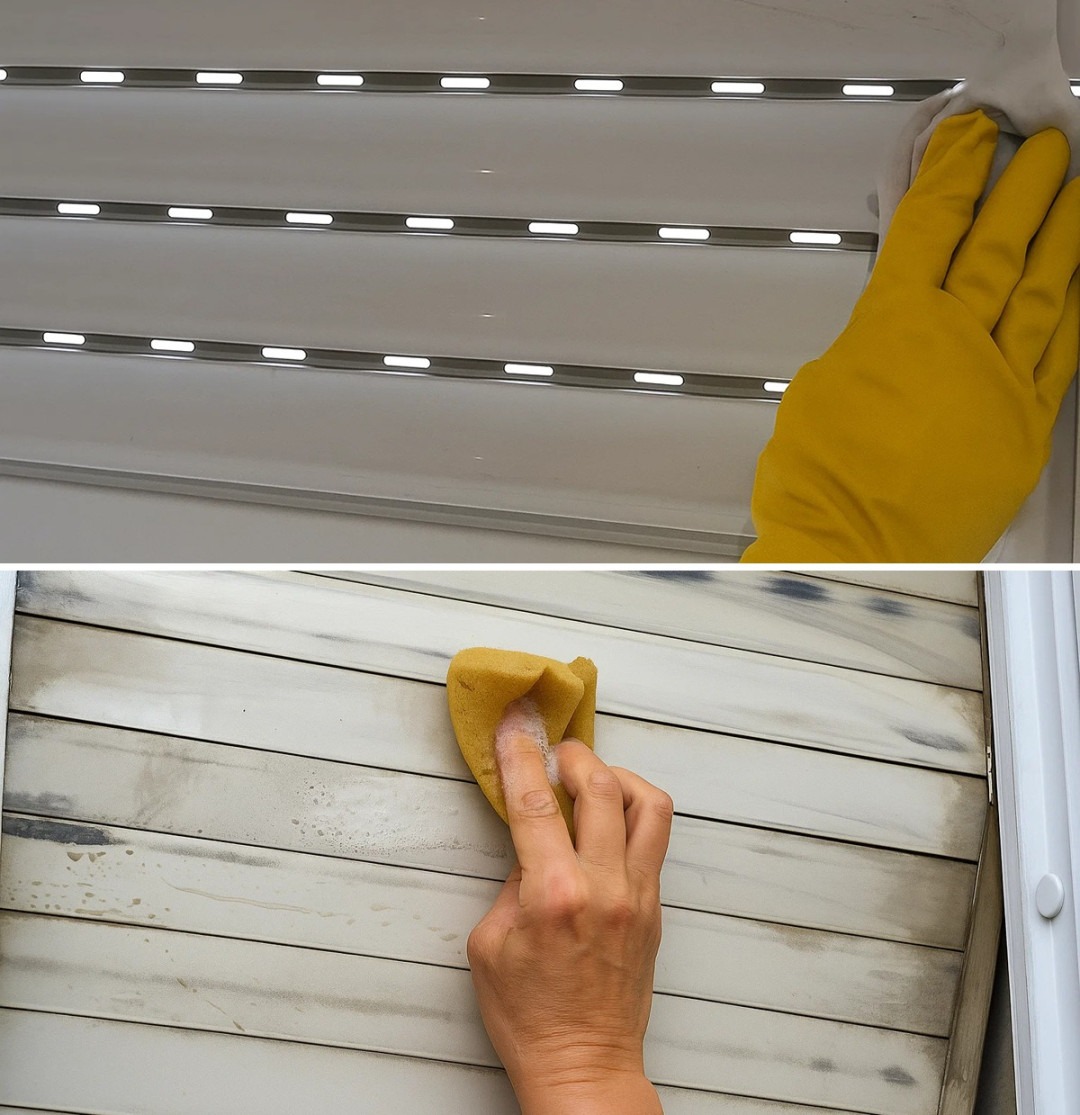
Take a close look at your shutters right now.
If you’re like most people, they’ve probably collected a thin layer of dust… maybe some fingerprints… possibly even stubborn grime hiding in the corners.
The problem?
Shutters are one of the most overlooked areas when cleaning a home. Yet they’re also one of the first things people notice when sunlight shines through the window.
The good news: you don’t need expensive products or professional services to restore them. With the right method, you can make your shutters look fresh, bright, and almost brand new again.
Here’s exactly how to do it the right way.
Step 1: Start With a Dry Dusting (Don’t Skip This!)
Before you introduce any water or cleaning solution, remove loose dust first.
Why?
Because mixing dust with moisture creates mud — and that just spreads the mess around.
Use one of these tools:
- A microfiber cloth
- A feather duster
- A vacuum with a brush attachment
Tilt the slats downward and wipe from top to bottom. Then tilt them upward and repeat on the other side.
This alone can dramatically improve their appearance.
Pro tip: Wrap a microfiber cloth around a pair of kitchen tongs and secure with rubber bands. It makes cleaning both sides of each slat at once much faster.
Step 2: Choose the Right Cleaning Solution
The cleaning method depends on your shutter material.
For Vinyl or Painted Shutters:
Mix:
- Warm water
- A few drops of mild dish soap
Avoid harsh chemicals that can damage the finish or cause discoloration.
For Wooden Shutters:
Use:
- A slightly damp (not wet!) microfiber cloth
- A wood-safe cleaner if necessary
Too much moisture can warp natural wood, so always wring out cloths thoroughly.
Step 3: Wipe Slat by Slat (Yes, It’s Worth It)
It may sound repetitive, but taking the time to wipe each slat individually makes a big difference.
Start from the top and work your way down.
This prevents dirty water from dripping onto already-cleaned sections.
If you notice sticky spots (often from cooking grease or fingerprints), gently scrub with a soft sponge. Never use abrasive pads — they can scratch the surface.
Step 4: Don’t Forget the Frame and Edges
Many people clean the slats and forget the frame.
Dust and grime often collect along:
- The top rail
- Corners
- Hinges
- Window ledges
Wipe these areas thoroughly to complete the “like-new” look.
Small details make a huge visual difference.
Step 5: Let Them Dry Properly
After wiping with a damp cloth, go over the shutters again with a dry microfiber cloth.
This prevents streaks and water spots — especially on darker finishes.
Open the shutters slightly to allow air circulation and faster drying.
Bonus Tip: Restore Shine (Optional)
If your shutters look dull after cleaning, you can lightly buff them with:
- A dry microfiber cloth
- A small amount of furniture polish (for wood only)
Always test in a hidden spot first.
What NOT to Do
To protect your shutters, avoid:
- Soaking them in water
- Using bleach or strong chemical sprays
- Scrubbing with rough brushes
- Ignoring them for months (dust buildup becomes harder to remove over time)
Gentle, regular maintenance is far better than deep, aggressive cleaning.
How Often Should You Clean Them?
For most homes:
- Light dusting: Once every 1–2 weeks
- Deeper cleaning: Every 2–3 months
If you live near a busy road or in a dusty climate, you may need to clean them more frequently.
Why It Makes Such a Difference
Clean shutters do more than improve appearance.
They:
- Let in more natural light
- Improve indoor air quality
- Reduce allergens
- Instantly refresh the room
It’s one of those small home tasks that delivers surprisingly big results.
The Bottom Line
You don’t need fancy tools or expensive cleaners to make your shutters look new again.
With simple steps — dry dusting, gentle washing, careful drying — you can restore their brightness and keep your home feeling fresh.
Sometimes the most satisfying transformations come from the smallest changes.
Take 20 minutes this week and try it. You’ll be surprised at how much brighter your space feels.
Have you cleaned your shutters recently? You might not realize how much light you’ve been missing.
