
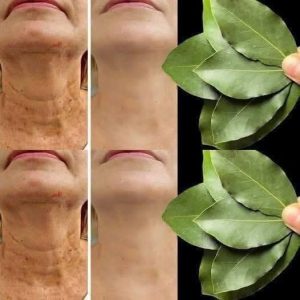
Let me tell you about the humble kitchen herb that has quietly sparked a thousand beauty conversations. You know it—the dried leaf tucked into your soup pot, the one you always remember to fish out before serving. But what if I told you that bay leaf (yes, that bay leaf) has been used for centuries in traditional beauty rituals, and modern science is starting to understand why?
Before we dive in, let’s be clear: no single ingredient “erases” wrinkles. Aging is natural, beautiful, and deeply personal. But if you’re curious about gentle, plant-powered ways to support your skin’s health and radiance at any age, bay leaf deserves a closer look. This isn’t about chasing perfection. It’s about honoring your skin with ingredients that have stood the test of time—and maybe, just maybe, adding a little extra glow to your routine.
What’s Actually in Bay Leaf? (The Science Behind the Sparkle)
Bay leaves (Laurus nobilis) aren’t just for flavor. They contain a fascinating blend of compounds that may support skin health:
✨ Antioxidants: Rich in flavonoids and phenolic acids that help neutralize free radicals—unstable molecules that contribute to premature aging .
Discover more
cooking
Beds & Headboards
Vehicle Dealers & Retailers
✨ Anti-inflammatory compounds: Eucalyptol, linalool, and other terpenes may help calm irritation and support skin barrier function .
✨ Vitamins A & C: Essential for collagen production and skin cell turnover, though topical absorption from home preparations is limited .
✨ Antimicrobial properties: May help support a balanced skin microbiome, which plays a role in overall skin resilience .
Important truth: Most research on bay leaf focuses on culinary or aromatic uses. Evidence for topical anti-aging benefits is primarily traditional or preliminary. That doesn’t mean it’s useless—it means we should approach it with curiosity, not expectation.
Gentle Ways to Use Bay Leaf in Your Skincare Routine
If you’d like to explore bay leaf for skin support, here are three simple, low-risk methods. Always patch-test first (apply a small amount to your inner arm and wait 24 hours) to check for sensitivity.
🌿 Bay Leaf Facial Steam (For Radiance & Relaxation)
A soothing ritual to open pores and deliver gentle botanical benefits.
What you’ll need:
- 3–4 dried bay leaves
4 cups filtered water
A large heat-safe bowl
A soft towel
How to do it:
Bring water to a gentle boil, then remove from heat.
Add bay leaves and let steep for 2 minutes.
Place your face 10–12 inches above the bowl (not too close—steam should feel warm, not hot).
Drape the towel over your head to trap steam.
Breathe deeply for 5–7 minutes.
Rinse face with cool water and follow with your favorite moisturizer.
Frequency: 1–2 times per week.
🌿 Bay Leaf-Infused Oil (For Massage & Moisture)
A nourishing blend for neck, décolletage, or dry patches.
What you’ll need:
½ cup carrier oil (jojoba, sweet almond, or rosehip)
3–4 dried bay leaves, lightly crushed
A small glass jar with lid
How to do it:
Place bay leaves in the jar and cover with oil.
Seal and place in a sunny window for 1–2 weeks, shaking gently daily.
Strain through cheesecloth or a fine sieve.
Store in a cool, dark place for up to 3 months.
How to use: Massage a few drops onto clean skin in upward, circular motions. Use at night for best absorption.
🌿 Bay Leaf Toner Mist (For Refreshing & Balancing)
A light, hydrating spritz for daytime use.
What you’ll need:
2 dried bay leaves
1 cup distilled water
1 tsp witch hazel (optional, for oily skin)
A small spray bottle
How to do it:
Simmer bay leaves in water for 10 minutes, then cool completely.
Strain and add witch hazel if using.
Pour into a clean spray bottle.
Refrigerate and use within 1 week.
How to use: Mist over clean face before moisturizer, or refresh throughout the day.
Pro Tips for Safe, Enjoyable Use
✨ Patch test always: Natural doesn’t mean risk-free. Essential oils and plant compounds can irritate sensitive skin.
✨ Less is more: Start with once-weekly applications. More frequent use doesn’t equal better results—and can increase irritation risk.
Discover more
cooking
Muffins
Language Resources
✨ Sun protection is non-negotiable: No topical herb replaces daily broad-spectrum SPF 30+. Sun exposure is the #1 preventable cause of visible aging.
✨ Consistency beats intensity: Gentle, regular care supports skin health far more than occasional aggressive treatments.
✨ Listen to your skin: If you notice redness, itching, or burning, discontinue use immediately.
What Bay Leaf Can’t Do (And Why That’s Okay)
Let’s keep expectations grounded—with kindness:
❌ It won’t “erase” deep wrinkles: Collagen loss, sun damage, and genetics play major roles in aging. No kitchen herb reverses these completely.
❌ It’s not a substitute for medical care: Persistent skin changes, new growths, or sudden texture shifts deserve professional evaluation.
❌ Results vary widely: Skin type, age, lifestyle, and environment all influence outcomes. What works beautifully for one person may do little for another.
❌ It won’t replace a healthy foundation: Sleep, hydration, balanced nutrition, stress management, and sun protection remain the most powerful anti-aging tools we have.
Frequently Asked Questions
Q: Can I use fresh bay leaves instead of dried?
A: Dried leaves are more concentrated and shelf-stable for infusions. Fresh leaves can work but may introduce more moisture, shortening the shelf life of oils or toners.
Q: Is bay leaf essential oil safe for skin?
A: Never apply undiluted essential oil directly to skin. If using bay leaf essential oil, dilute to 0.5–1% in a carrier oil (about 1–2 drops per tablespoon) and patch-test first.
Discover more
Fruits & Vegetables
Beds
Vehicle Dealers & Retailers
Q: How long before I see results?
A: If you notice any changes, they’ll likely be subtle—improved radiance, softer texture—after 4–6 weeks of consistent use. Dramatic “wrinkle erasure” isn’t realistic.
Q: Can I use this if I have sensitive or acne-prone skin?
A: Proceed with extra caution. Start with the facial steam (least concentrated) and avoid if you have known sensitivities to laurel-family plants.
Q: Are there people who should avoid bay leaf topically?
A: Yes. Avoid if you’re pregnant, breastfeeding, or have a known allergy to plants in the Lauraceae family (like cinnamon or avocado). When in doubt, consult a dermatologist.
A Gentle Closing Thought
There’s a quiet beauty in exploring the plants that have nourished generations before us. Bay leaf won’t turn back time—but it might invite a moment of pause, a ritual of care, a connection to the simple wisdom of the kitchen garden.
Your skin tells your story. Every line, every freckle, every shift is part of a life fully lived. If adding a bay leaf infusion to your routine brings you joy, curiosity, or a sense of ritual? That’s a win. If not? That’s okay too.
I’d love to hear from you. Have you tried bay leaf in your skincare? What gentle, plant-powered rituals bring you joy? Drop a comment below and share your story. And if this article sparked a moment of curiosity or calm, please pass it along to someone who loves exploring nature’s quiet gifts.
Here’s to aging with grace, caring with intention, and finding beauty in every chapter. 🌿✨
Disclaimer: This article is for informational purposes only and is not medical or dermatological advice. Always consult a qualified healthcare professional for personal skin concerns, allergies, or treatment decisions. Natural ingredients can cause reactions—patch-test before use and discontinue if irritation occurs. No topical treatment replaces sun protection, professional care, or a healthy lifestyle.
