
3. Sudden Vision Changes
A TIA or stroke may cause sudden visual disturbances affecting one or both eyes. Possible symptoms include blurred vision, double vision, partial loss of vision, or a sudden darkening or disappearance of vision in one eye.
Some people describe the experience as if a curtain or shadow suddenly moved across their field of vision.
These changes can occur when blood flow to areas of the brain responsible for vision, or to structures supplying the eye, is interrupted.
Because visual symptoms can disappear quickly, they are sometimes mistaken for tiredness, an eye problem, or simply getting older.
However, a sudden unexplained change in vision should be evaluated urgently, especially when accompanied by weakness, speech difficulty, dizziness, or other neurological symptoms.
4. Sudden Dizziness, Poor Coordination, or Loss of Balance
Sudden dizziness, trouble walking, loss of coordination, or an unexpected problem with balance may also indicate a TIA or stroke.
A person may suddenly feel unsteady, unable to walk in a straight line, or as though the room is spinning.
They may stumble unexpectedly, have difficulty standing, or struggle to coordinate movements that were previously easy.
Dizziness has many possible causes and does not always indicate a stroke. However, sudden severe dizziness combined with other neurological symptoms can be especially concerning.
For example, dizziness accompanied by double vision, weakness, numbness, difficulty speaking, or loss of coordination should prompt immediate medical attention.
5. Sudden Severe Headache or Other Unusual Neurological Symptoms
A sudden severe headache can occur with some types of stroke, although headache is not among the most typical symptoms of a TIA.
A headache that appears suddenly, is unusually intense, or feels very different from previous headaches warrants urgent evaluation, especially when accompanied by neurological symptoms.
Other potentially concerning signs can include sudden confusion, difficulty swallowing, unusual clumsiness, or an abrupt change in awareness.
It is important not to rely on headache alone to identify a TIA. Many people who experience a TIA do not develop a headache at all.
Remember the FAST Warning Signs
A useful way to remember some of the most common signs of stroke is the FAST method.
F – Face: Ask the person to smile. Does one side of the face droop?
A – Arms: Ask the person to raise both arms. Does one arm drift downward or feel weak?
S – Speech: Ask the person to repeat a simple sentence. Is the speech slurred, unusual, or difficult to understand?
T – Time: If any of these symptoms are present, contact emergency medical services immediately.
The FAST method does not cover every possible stroke symptom, but it provides an easy way to recognize several major warning signs.
A TIA can seem to vanish as quickly as it arrives, but the disappearance of symptoms does not mean the danger has passed.
When symptoms disappear, the next question is not whether the episode is over, but why it happened in the first place.← Previous PageWhy Symptoms That Disappear Still Matter
One of the most concerning features of a TIA is that the symptoms may disappear before the person reaches a hospital.
This can create a false sense of security. Someone may feel normal again and decide that medical attention is no longer necessary.
However, a TIA may indicate that the blood supply to the brain has been temporarily interrupted and that an underlying problem still exists.
Medical evaluation can help identify potential causes and determine whether treatment is needed to reduce the risk of a future stroke.
A TIA may last only minutes, but what happens immediately afterward can be crucial because doctors can investigate the cause and address important stroke risk factors.
Common Risk Factors for TIA and Stroke
Several conditions and lifestyle factors are associated with a higher risk of TIA and stroke, particularly among older adults.
These can include:
High blood pressure
Diabetes
High cholesterol
Smoking
Atrial fibrillation and certain other heart rhythm disorders
Previous TIA or stroke
Carotid artery disease
Some forms of cardiovascular disease
Physical inactivity
Excessive alcohol consumption
Having one or more risk factors does not mean that a person will definitely experience a stroke, but controlling modifiable risk factors can be an important part of prevention.
High Blood Pressure and Stroke Risk
High blood pressure is one of the most significant modifiable risk factors for stroke.
Over time, elevated blood pressure can damage blood vessels and contribute to conditions that make blockage or rupture more likely.
Many people with high blood pressure have no obvious symptoms, which is why regular blood pressure checks are important.
People who have been prescribed blood pressure medication should take it according to their healthcare provider’s instructions and discuss any side effects or concerns rather than stopping treatment on their own.
Diabetes and Blood Vessel Health
Diabetes can affect blood vessels throughout the body and is associated with an increased risk of cardiovascular disease and stroke.
Managing blood glucose, blood pressure, cholesterol, and other cardiovascular risk factors can therefore be especially important for people with diabetes.
Regular medical follow-up can help determine appropriate targets and treatment plans for each individual.
High Cholesterol and Artery Narrowing
High levels of certain blood lipids can contribute to plaque formation inside arteries.
Over time, this buildup can narrow blood vessels or contribute to blood clots that interfere with blood flow to the brain.
Depending on a person’s overall cardiovascular risk, healthcare professionals may recommend dietary changes, physical activity, medication, or a combination of approaches.
One heart condition deserves particular attention because it can increase the risk of blood clots reaching the brain.Atrial Fibrillation Is an Important Risk Factor
Atrial fibrillation is an irregular heart rhythm that becomes more common with age.
In some people, it can allow blood clots to form inside the heart. A clot may then travel through the bloodstream and block an artery supplying the brain.
For this reason, identifying and appropriately treating atrial fibrillation can play an important role in stroke prevention.
Some people notice palpitations or an irregular heartbeat, while others have no noticeable symptoms.
Smoking and Stroke Risk
Smoking damages blood vessels and contributes to cardiovascular disease.
Stopping smoking can reduce cardiovascular risk over time and offers numerous other health benefits.
People who want to quit can speak with a healthcare professional about counseling, nicotine replacement products, or medications that may help.
What to Do If You Suspect a Mini Stroke
If someone suddenly develops symptoms suggestive of a stroke or TIA, do not wait for the symptoms to disappear.
Contact emergency medical services immediately.
Note the approximate time when the symptoms first appeared, because timing can influence medical assessment and treatment decisions.
Do not allow the person to drive themselves to the hospital.
Do not give medications, food, or drinks unless instructed by a medical professional, because swallowing can sometimes be affected during a stroke.
Do Not Try to Diagnose a TIA at Home
Many different medical conditions can cause symptoms such as dizziness, weakness, confusion, or vision changes.
It is usually impossible to determine at home whether the episode is a TIA, a full stroke, or another medical problem.
Hospital evaluation may include a neurological examination, brain imaging, blood tests, heart monitoring, and examination of the blood vessels supplying the brain.
Once emergency care has ruled out the immediate danger, medical evaluation can reveal what may have triggered the episode and what steps could help prevent another one.Why Early Evaluation Matters
After a suspected TIA, healthcare professionals may investigate whether there is a narrowed artery, abnormal heart rhythm, blood pressure problem, or another condition contributing to the episode.
Treatment depends on the underlying cause and an individual’s health history.
It may include medications, management of cardiovascular risk factors, or other interventions when appropriate.
Once the immediate episode has been assessed, preventing another event becomes an important part of protecting long-term brain and heart health.
Preventing Future Strokes
Stroke prevention is individualized, but several general habits can support cardiovascular health.
Have blood pressure checked regularly.
Manage diabetes according to medical advice.
Discuss cholesterol levels with a healthcare professional.
Avoid smoking.
Stay physically active at a level appropriate for your health.
Follow a balanced diet rich in vegetables, fruits, whole grains, and other nutrient-dense foods.
Take prescribed medications as directed.
Attend regular medical appointments.
Anyone who has already experienced a TIA should follow the prevention plan recommended by their healthcare team.
Family Members and Caregivers Can Make a Difference
Older adults may not always recognize their own symptoms, particularly if confusion or speech difficulties occur suddenly.
Family members and caregivers should therefore know the major warning signs and be prepared to act quickly.
If someone’s face suddenly droops, an arm becomes weak, speech changes, vision disappears, or balance deteriorates unexpectedly, it is better to seek emergency evaluation than to wait and hope the symptoms improve.
The Bottom Line
A mini stroke, or transient ischemic attack, can cause temporary symptoms such as one-sided weakness or numbness, speech difficulty, sudden vision changes, dizziness or loss of coordination, and other abrupt neurological problems.
Even when these symptoms disappear completely, they should not be ignored.
A suspected TIA requires urgent medical evaluation because it may be a warning sign of a future stroke and may reveal an underlying problem that can be treated.
Recognizing the warning signs and contacting emergency medical services quickly can help ensure that the person receives appropriate assessment and care as soon as possible.A mini stroke, medically known as a transient ischemic attack (TIA), occurs when blood flow to part of the brain is temporarily interrupted. The symptoms may last only a few minutes or hours and then disappear, but that does not make them harmless.
A TIA can be an important warning sign that a more serious stroke may occur in the future. Because the symptoms can be brief, some people dismiss them or wait to see whether they improve. That can be dangerous.
Any sudden neurological symptom that could indicate a stroke or TIA should be treated as a medical emergency. Emergency medical services should be contacted immediately, even if the person begins to feel better before help arrives.
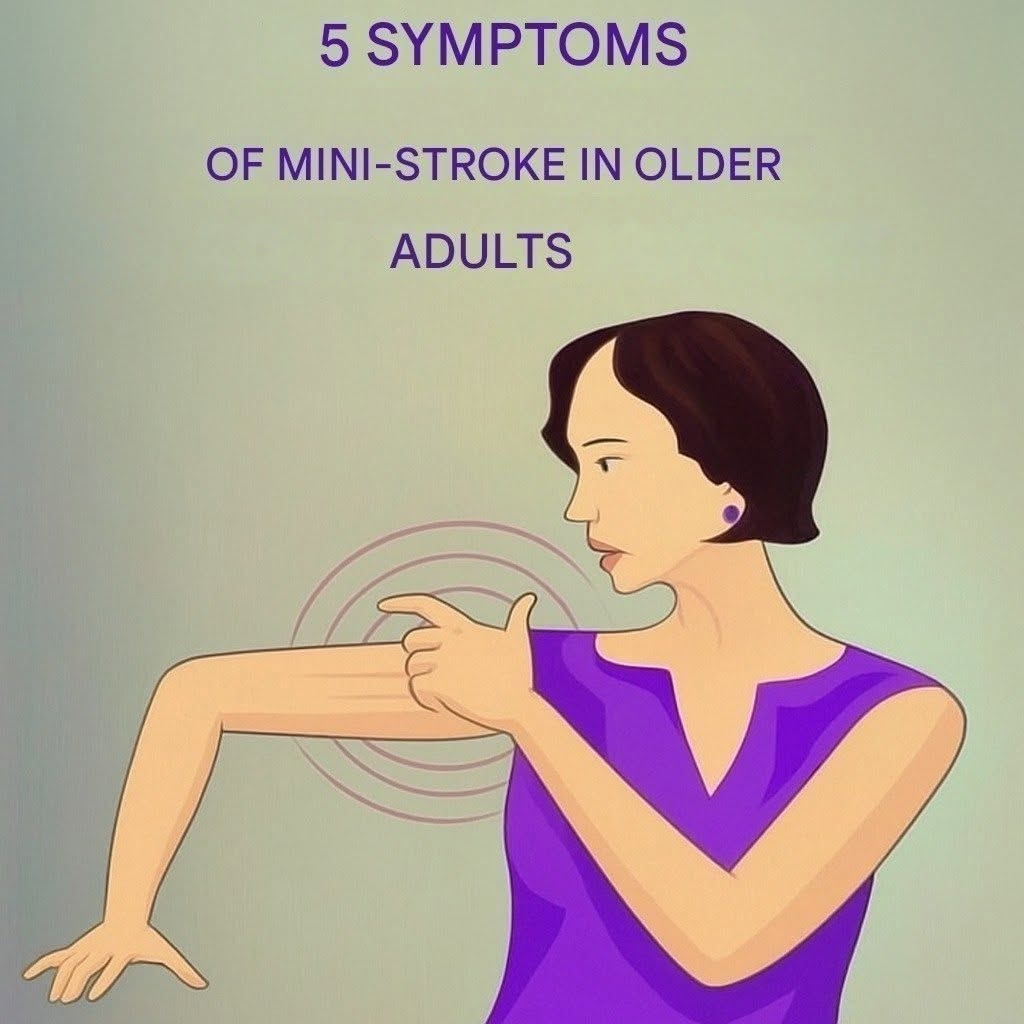
1. Sudden Weakness or Numbness on One Side of the Body
One of the most recognizable warning signs of a TIA or stroke is sudden weakness, numbness, or loss of sensation affecting one side of the body.
This may involve the face, arm, leg, or a combination of these areas. A person may suddenly struggle to lift one arm, feel that one leg is unusually weak, or notice that one side of the face appears to droop.
A simple way to recognize possible facial weakness is to ask the person to smile. If one side of the face appears lower or does not move normally, this may be a warning sign.
Similarly, asking the person to raise both arms can reveal weakness if one arm begins to drift downward.
These symptoms can improve quickly in a TIA, but they still require urgent medical evaluation.
2. Difficulty Speaking or Understanding Language
Sudden problems with speech are another important possible sign of a TIA or stroke.
A person may begin speaking unclearly, slurring words, using words that do not make sense, or struggling to form a sentence.
They may also understand what they want to say but be unable to get the words out correctly.
In other cases, the person may have difficulty understanding what others are saying, even though their hearing appears normal.
These language problems can occur when blood flow is temporarily disrupted in areas of the brain involved in speech and comprehension.
Any sudden change in speech or understanding should be treated seriously, even if it lasts only a few minutes.
Speech and weakness are well-known warning signs, but sudden changes in vision can be just as important and are sometimes much easier to overlook.
