
10 Warning Signs of Blocked Arteries You Should Never Ignore
Discover more
food
health
foods
10 Indicators of Blocked Arteries You Shouldn’t Ignore
10 Warning Signs of Blocked Arteries You Should Never Ignore
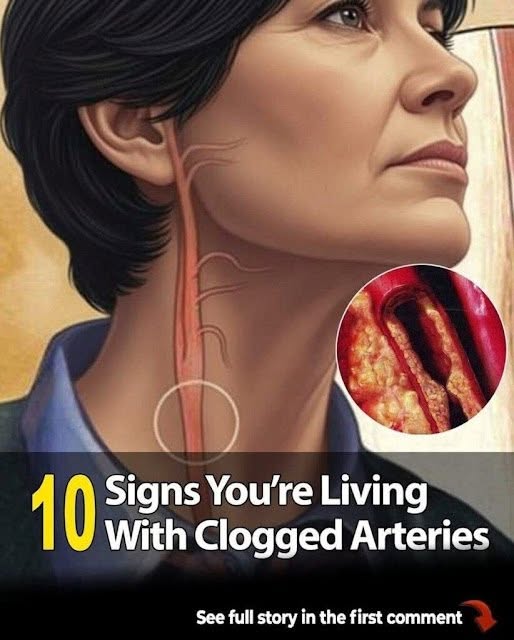
Blocked arteries, medically known as atherosclerosis, develop when fatty deposits called plaque accumulate inside the arteries. Over time, this buildup narrows the blood vessels and reduces the flow of oxygen-rich blood to vital organs, including the heart and brain.
One of the most dangerous aspects of clogged arteries is that they often develop silently over many years. Many people don’t realize there is a problem until they experience a heart attack, stroke, or another serious cardiovascular event.
Fortunately, the body often sends warning signals before a major health crisis occurs. Recognizing these signs early and seeking medical attention can help prevent potentially life-threatening complications.Health
Discover more
Foods
Food
Social Sciences
Here are 10 warning signs of blocked arteries that should never be ignored.
- Chest Pain or Pressure (Angina)
Chest pain is one of the most common symptoms associated with narrowed coronary arteries. This discomfort may feel like pressure, squeezing, heaviness, burning, or tightness in the chest.
The pain often occurs during physical activity or emotional stress when the heart requires more oxygen-rich blood. As the arteries become increasingly blocked, the heart struggles to receive adequate blood flow, resulting in angina.
Some people experience mild discomfort, while others report severe pain that can radiate to the shoulders, arms, neck, jaw, or back.
- Shortness of Breath
Difficulty breathing can occur when the heart is unable to pump blood efficiently due to narrowed arteries.
Many people notice they become winded after climbing stairs, walking short distances, or performing everyday activities that previously caused no difficulty.
Discover more
healthy
Cookies
Lemon
Shortness of breath may occur with or without chest pain and can sometimes be one of the earliest signs of cardiovascular disease.
- Unusual Fatigue
Persistent fatigue is often overlooked but can be an important warning sign of reduced blood flow.
When the heart cannot circulate blood effectively, the body’s organs and muscles receive less oxygen and nutrients. This can lead to ongoing tiredness, weakness, and reduced stamina.
Women, in particular, may experience extreme fatigue as an early symptom of heart disease.
Discover more
Lemons
drinks
Dairy & Eggs
- Pain in the Legs While Walking
Pain, cramping, or heaviness in the legs during physical activity may indicate peripheral artery disease (PAD), a condition caused by blocked arteries in the legs.
The discomfort typically improves with rest and returns during movement. This symptom occurs because the leg muscles are not receiving enough oxygen-rich blood during activity.
Ignoring this warning sign can increase the risk of serious circulatory complications.
- Dizziness or Lightheadedness
Reduced blood flow to the brain can result in episodes of dizziness, faintness, or feeling unsteady.
These symptoms may occur suddenly and should never be dismissed, especially if they happen repeatedly or are accompanied by other cardiovascular symptoms.
Persistent dizziness warrants medical evaluation to determine the underlying cause.
- Numbness or Weakness on One Side of the Body
A blockage affecting blood flow to the brain may cause sudden weakness, numbness, or tingling in the face, arm, or leg, particularly on one side of the body.
This can be a warning sign of a transient ischemic attack (TIA), often referred to as a “mini-stroke,” or an impending stroke.
Immediate medical attention is critical if these symptoms occur.
- Erectile Dysfunction
Research has shown that erectile dysfunction may sometimes be an early indicator of cardiovascular disease.
The arteries supplying blood to the penis are smaller than coronary arteries, meaning reduced blood flow may become noticeable there before symptoms develop elsewhere.
Men experiencing unexplained erectile dysfunction should discuss the issue with their healthcare provider.
- Jaw, Neck, Shoulder, or Arm Pain
Heart-related pain is not always limited to the chest.
Some individuals experience discomfort that radiates to the jaw, neck, shoulders, upper back, or arms. This type of referred pain can be especially common in women.
Any unexplained pain in these areas, particularly when combined with other symptoms, should be evaluated promptly.
- Cold Feet or Poor Circulation
Blocked arteries can reduce blood flow to the extremities, causing feet or hands to feel unusually cold.
Other signs of poor circulation may include:
Slow-healing wounds
Changes in skin color
Hair loss on the legs
Weak pulses in the feet
These symptoms may indicate peripheral artery disease and should not be ignored.
- Sudden Vision Problems
The eyes require a steady supply of oxygen-rich blood to function properly.
Temporary vision loss, blurred vision, double vision, or sudden difficulty seeing can occur when blood flow to the eyes or brain becomes impaired.
These symptoms may signal a serious vascular problem and require immediate medical attention.
Risk Factors for Clogged Arteries
Several factors increase the likelihood of developing atherosclerosis:
High blood pressure
High cholesterol
Smoking
Diabetes
Obesity
Physical inactivity
Chronic stress
Family history of heart disease
Poor dietary habits
Understanding and managing these risk factors can significantly reduce the likelihood of developing cardiovascular disease.
How to Help Protect Your Arteries
Maintaining healthy arteries involves adopting long-term lifestyle habits, including:Health
Eating a balanced diet rich in fruits and vegetables
Exercising regularly
Maintaining a healthy weight
Avoiding tobacco products
Limiting excessive alcohol consumption
Managing blood pressure and cholesterol levels
Controlling diabetes
Reducing chronic stressSocial Sciences
Small changes made consistently over time can have a significant impact on cardiovascular health.
Final Thoughts
Clogged arteries often develop silently, but the body may provide warning signs long before a serious event occurs. Symptoms such as chest pain, shortness of breath, unusual fatigue, dizziness, leg pain, and circulation problems should never be ignored.
While these symptoms do not automatically mean you have blocked arteries, they may indicate an underlying health condition that deserves professional medical evaluation.
Recognizing these warning signs early and seeking appropriate medical care can help reduce the risk of heart attack, stroke, and other serious complications, ultimately protecting your long-term health and well-being.
