
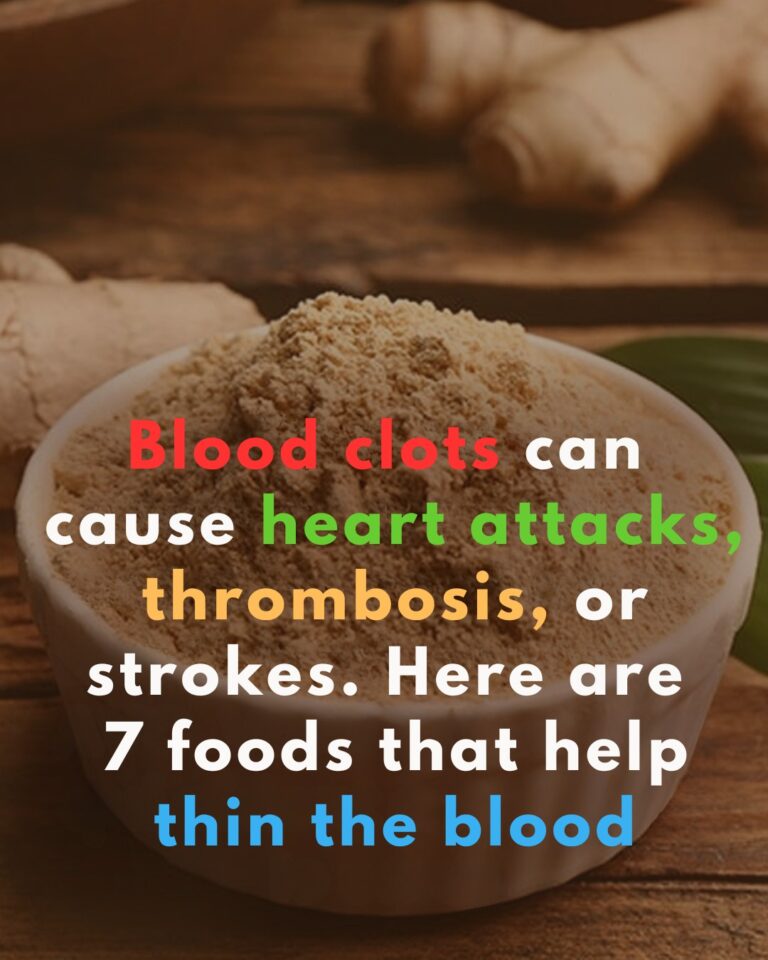
1. Turmeric
Turmeric is renowned for its active compound curcumin, which exhibits significant anti-inflammatory and anticoagulant properties. This natural spice can slightly reduce blood clotting by inhibiting platelet aggregation, the process where blood cells clump together to form clots.
In practical terms, incorporating turmeric into your diet can be as simple as adding it to curries, soups, or smoothies. Some people also prepare turmeric tea by steeping the powder in hot water. However, because turmeric can enhance the effects of prescribed blood thinners such as warfarin or direct oral anticoagulants, it is essential to consult your healthcare provider before making substantial changes to your intake.
2. Garlic
Garlic contains sulfur compounds like allicin that act as natural blood thinners by reducing platelet aggregation and improving circulation. It also helps lower blood pressure and has antimicrobial effects, contributing to overall cardiovascular health.
To benefit from garlic’s blood-thinning effects, consume it raw or lightly cooked, as high heat can reduce its potency. Typical usage includes adding fresh garlic to salads, dressings, or cooked dishes. Patients on anticoagulant medication should inform their doctors if they plan to consume garlic supplements or large quantities regularly, as it may interact with their treatment.
3. Ginger
Ginger’s bioactive compounds, such as gingerol, exhibit anticoagulant effects by inhibiting thromboxane synthesis, which promotes clot formation. This makes ginger useful for improving blood flow and reducing risks related to thrombosis.
Incorporate fresh or powdered ginger into your diet by adding it to teas, stir-fries, or baked goods. Like turmeric and garlic, ginger can potentiate the effects of blood-thinning medications, so consultation with a healthcare provider is advisable if you are on such treatments.
Continue Reading on the Next Page4. Cayenne Pepper
Cayenne pepper contains capsaicin, a compound that helps reduce platelet clumping and stimulates blood circulation by dilating blood vessels. This vasodilation effect can help lower blood pressure and improve overall cardiovascular function.
Adding a small amount of cayenne pepper to meals or beverages can promote these benefits. However, it may cause stomach irritation in some individuals, so start with low doses. Those on blood thinners should discuss cayenne use with their healthcare provider to avoid excessive anticoagulation.
5. Cinnamon
Cinnamon contains coumarin-like compounds that can act as blood thinners by preventing excessive clotting. It also supports blood sugar regulation, which benefits people with diabetes—a condition that increases clot risk.
Use cinnamon regularly in your diet by sprinkling it on oatmeal, yogurt, or coffee. Be mindful that very high intake of cinnamon, especially cassia cinnamon, can have adverse effects due to coumarin content, so moderation is key. Consultation with your healthcare provider is important if you are taking anticoagulant drugs.
6. Olive Oil
Extra virgin olive oil is rich in polyphenols and monounsaturated fats, which improve endothelial function and reduce platelet aggregation. Its consumption is linked to lower risks of heart disease and stroke, partly due to its mild blood-thinning effects.
Incorporate olive oil as your primary cooking oil or use it in dressings and dips. Its benefits extend beyond blood thinning, supporting overall heart health by reducing inflammation and improving cholesterol profiles. Unlike some supplements, olive oil is generally safe to consume regularly, but those on blood-thinning medications should still inform their physicians of any significant dietary changes.
Continue Reading on the Next Page7. Bromelain from Pineapple
Bromelain is an enzyme found in fresh pineapple that has anti-inflammatory and anticoagulant properties. It helps reduce platelet aggregation and promotes fibrinolysis, the process of breaking down blood clots. Bromelain may also improve circulation and reduce swelling.
To obtain bromelain, consume fresh pineapple rather than canned, as the enzyme is often destroyed by heat processing. Eating pineapple as a fresh fruit or in smoothies can be a delicious way to support cardiovascular health. As with other natural anticoagulants, those on prescribed blood thinners should consult their healthcare providers before increasing bromelain intake significantly.
When to See a Doctor
While these foods can support healthy blood flow and reduce clotting risk, they are not substitutes for medical diagnosis or prescribed anticoagulant therapy. If you experience symptoms such as unexplained swelling, pain in the limbs, chest pain, shortness of breath, or sudden neurological changes like weakness or speech difficulties, seek immediate medical attention. Regular monitoring of blood clotting parameters is essential for individuals on anticoagulant medications to prevent both clotting and bleeding complications.
Conclusion
Incorporating these seven natural blood-thinning foods—turmeric, garlic, ginger, cayenne pepper, cinnamon, olive oil, and bromelain from pineapple—can complement a heart-healthy lifestyle and support vascular health. However, always use them thoughtfully, especially if you are under medical treatment for clotting disorders. A balanced diet combined with regular exercise and medical supervision remains the best strategy for preventing thrombosis and maintaining cardiovascular wellness.
Disclaimer: This information is for educational purposes only and does not replace professional medical advice. Consult your healthcare provider before making any changes to your diet or medication regimen.When Blood Thinning Becomes a Critical Health Decision
Emergency Note: If you experience sudden chest pain, shortness of breath, weakness on one side of the body, or difficulty speaking, seek immediate medical attention as these could be signs of a blood clot causing a stroke or heart attack.
Understanding Blood Clots and Their Risks
<pBlood clots, or thrombosis, occur when blood thickens and forms a blockage inside your blood vessels. This can dangerously reduce or stop blood flow, increasing the risk of heart attacks, strokes, or pulmonary embolisms. Certain populations—including people with diabetes, cancer, chronic inflammation, smokers, and older adults—face a higher risk. Regular physical activity and medical monitoring are essential preventive measures.
Is Your Medication Affecting Your Blood Clot Risk?
Many people do not realize that common medications can influence blood clotting. Blood thinners like warfarin and aspirin are prescribed to manage clot risks, but some over-the-counter supplements and prescription drugs can either increase or decrease clotting tendencies. Before adding blood-thinning foods or supplements to your diet, check your medicine cabinet and consult your healthcare provider to avoid dangerous interactions.
How to Assess Your Need for Blood-Thinning Support from Foods
Not everyone needs to focus on blood-thinning foods. Ask yourself these questions:
- Do you have a history of cardiovascular disease, stroke, or blood clots?
- Are you currently on blood-thinning medication?
- Do you have lifestyle risk factors like smoking or physical inactivity?
If you answered yes to any, discuss with your doctor whether incorporating certain foods with natural blood-thinning properties could benefit you.
Diet and Blood Clot Prevention: What You Should Know
Dietary choices can support healthy blood flow, but they are not a substitute for medical treatment. Some natural foods contain compounds that help reduce inflammation and inhibit excessive clotting without the side effects of medications. These options may be particularly useful for prevention or to complement prescribed therapies.
For example, turmeric contains curcumin, a compound with anti-inflammatory and anticoagulant effects. Adding just a pinch of turmeric powder to your meals or drinking turmeric-infused water can be a simple way to support circulation. However, if you take prescribed blood thinners, always consult your healthcare provider before increasing turmeric intake.
Practical Cost Considerations
Incorporating natural blood-thinning foods is a cost-effective strategy compared to some medical interventions. A small container of turmeric powder typically costs under $10 and lasts for months, while fresh garlic, ginger, and cayenne pepper are affordable additions that enhance flavor and health benefits. Preventing blood clots through diet could potentially reduce expensive hospitalizations or interventions related to cardiovascular events.
Here are the 7 powerful blood-thinning foods that can help support your circulation. Number 1 is the one that most experts recommend for its potent effects and versatility in cooking.
