
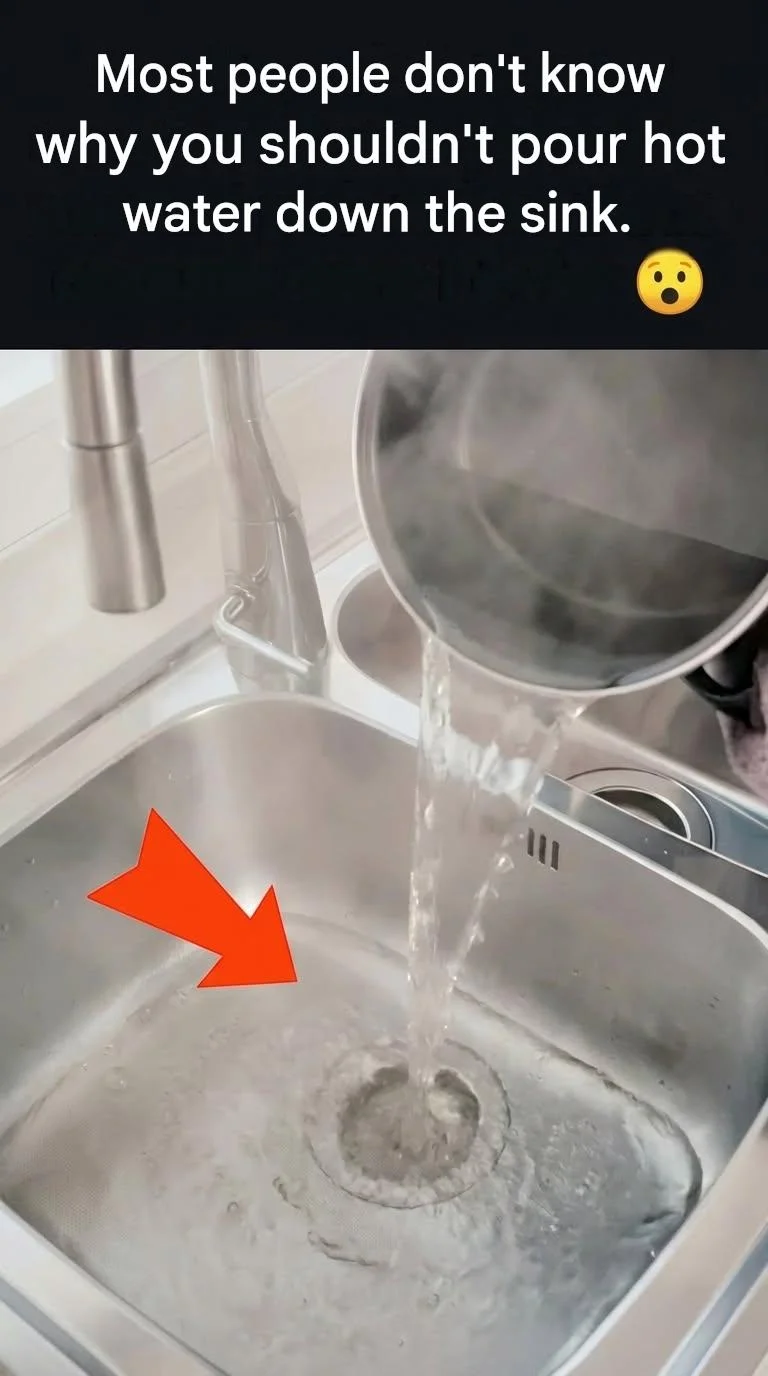
Why boiling water can damage your pipes
Contrary to popular belief, boiling water doesn’t dissolve everything and isn’t always helpful for maintaining pipes. In fact, depending on the type of material used, it can even cause significant damage .

Risks to PVC pipes
PVC , valued for its lightness and moderate cost, does not withstand high temperatures well:
- Rapid deformation: When exposed to boiling water, PVC can soften, deform and tighten, resulting in discreet but persistent leaks.
- Long-term weakening: repeated exposure reduces the robustness of the material, making the pipes more brittle and susceptible to cracking.
Dangers to metal pipes
Although copper or steel pipes are more heat-resistant, they are not immune to damage:
- Alternating expansion and contraction: boiling water creates thermal shocks that weaken the fittings and can eventually cause cracks.
- Accelerated corrosion: Excessive heat intensifies wear on internal walls, especially in older installations.
Insidious impacts on the entire plumbing system
Boiling water not only damages pipes, but can also worsen other aspects of the system:
- Deterioration of joints: the sealants and adhesives used to seal the fittings often lose their adhesion under the effect of heat.
- Grease displaced but not eliminated: when heated, grease dissolves temporarily but can solidify further into the pipes, creating even more stubborn blockages.
- Increased stress on older installations: in older homes, extreme heat accelerates the degradation of already weakened pipes.
Reliable alternatives for maintaining your pipes
Fortunately, there are effective methods to clean your pipes without endangering them.
Opt for lukewarm or hot water.
Instead of pouring boiling water, opt for hot tap water , which is sufficient to dissolve light residues while preserving the integrity of your pipes.
Use natural solutions

- Baking soda and vinegar: Mix one tablespoon of baking soda with one tablespoon of vinegar and pour this mixture down the sink. Let it sit for 15 minutes , then rinse with warm water.
- Lemon and salt: this tip, which is both cleaning and deodorizing, consists of mixing a tablespoon of salt with a tablespoon of lemon juice for optimal results.
Use mechanical tools

- Plunger: a simple and effective way to unclog without resorting to chemicals.
- Plumbing auger: ideal for accessing deep blockages without risking damage to pipes.
Adopting a few good daily habits can help prevent the accumulation of dirt and the need for aggressive cleaning methods:
- Never throw grease down the sink; instead, store it in a container before throwing it in the bin.
- Install a strainer to retain food residues and limit their accumulation in the pipes.
- Rinse regularly with warm water to prevent the formation of grease deposits.
In conclusion: prevention is better than cure.
Instead of risking costly repairs by pouring boiling water down your pipes, adopt safer and more environmentally friendly methods . Maintaining your plumbing with gentle, preventative practices helps avoid problems while extending the life of your system.
Make the right choice today and put an end to bad habits!
