
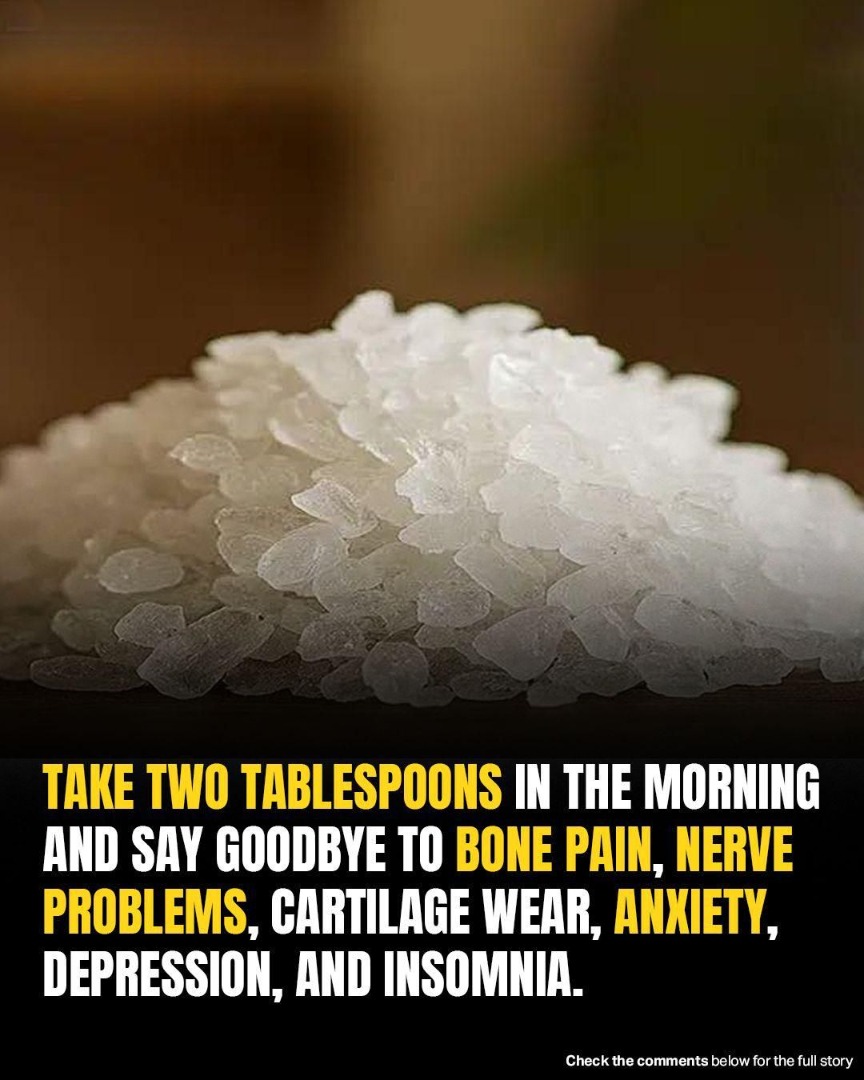
You’ve seen the headlines:
“Eat this one food and live longer!”
“This berry fights cancer!”
“Add this seed to your diet — it’s a game-changer!”
They all point to something called a “superfood.”
But here’s the truth: There’s no official medical or scientific definition of a superfood.
It’s not a label used by doctors, dietitians, or the FDA. It’s a marketing term — often applied to foods rich in vitamins, antioxidants, or healthy fats.
And while some foods do offer impressive health benefits, no single ingredient will “tackle major health issues” on its own.
Let’s xplore what science actually says — so you can eat well without believing in miracles.
Because real wellness isn’t about one magic bite. It’s about what you eat every day — consistently, wisely, and joyfully
What Makes a Food “Super”?
While not a formal category, most so-called superfoods share these traits:
Examples: Blueberries, kale, salmon, chia seeds, lentils — all nutrient-dense, but not magical.
Foods That Actually Support Long-Term Health (With Evidence)
These aren’t “cures,” but they’re linked to lower risks of chronic diseases when eaten regularly as part of a healthy lifestyle.
1. Leafy Greens (Kale, Spinach, Swiss Chard)
-
- Loaded with vitamins A, C, K, folate, iron, and lutein
- Associated with reduced risk of heart disease and cognitive decline
- Nitrate content may support healthy blood pressure
Just 1 cup daily makes a difference.
2. Berries (Blueberries, Strawberries, Blackberries)
-
- Among the highest antioxidant foods per calorie
- Linked to improved brain function and heart health
- May reduce inflammation and insulin resistance
Studies show benefits even at ½–1 cup per day.
3. Fatty Fish (Salmon, Mackerel, Sardines)
-
- Rich in omega-3 fatty acids (EPA & DHA)
- Proven to support heart rhythm, lower triglycerides, and reduce inflammation
- Also high in vitamin D and protein
Recommended: 2 servings per week (about 6 oz each)
4. Nuts & Seeds (Walnuts, Almonds, Flaxseeds, Chia)
-
- Healthy fats, fiber, plant protein, and micronutrients
- Walnuts and flaxseeds are top sources of ALA (plant-based omega-3)
- Linked to lower LDL cholesterol and improved artery function
Just 1 ounce (a small handful) daily helps.
5. Legumes (Lentils, Beans, Chickpeas)
-
- Excellent source of fiber, plant protein, iron, and B vitamins
- Help stabilize blood sugar and support gut microbiome
- Associated with longer lifespan and lower heart disease risk
Affordable, sustainable, and versatile.
Debunking the Myths
How to Eat for Real Health (Without Gimmicks)
Forget chasing trends. Focus on what works:
Think pattern, not perfection.
The Problem With “Miracle” Claims
When we hype one food:
-
- We distract from the bigger picture: overall diet and lifestyle
- We create guilt when people “can’t afford” trendy items
- We open doors to scams selling expensive powders, pills, or juices
Never replace prescribed treatment with food or supplements.
Final Thoughts
You don’t need a miracle food to be healthy.
But you do need real nourishment — day after day.
So next time you’re choosing groceries… skip the hype.
Reach for color. Choose fiber. Pick plants.
Because real strength isn’t found in a bottle. It grows — quietly, steadily — in the foods that have fed humanity for generations.
And that kind of wisdom? It never goes out of styl
