
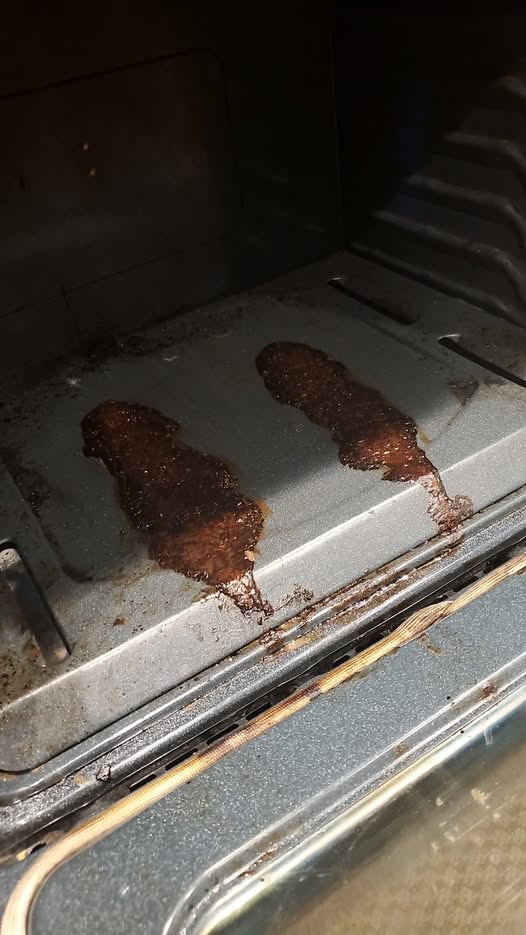
We’ve all had kitchen accidents… but sometimes they go from “oops” to “what on earth happened here?” in seconds. What started as a simple baking session turned into a stubborn, burnt-on mess that refused to budge — even after trying baking soda, vinegar, and salt.
If you’ve ever opened your oven and found a hardened, sticky spill baked onto the bottom surface, you know the frustration. The heat turns sugar, grease, and batter into a glue-like crust that feels almost impossible to remove. And scrubbing blindly can actually damage your appliance.
The good news? This kind of oven disaster is very common — and it’s completely fixable.
Let’s break down what likely happened and the safest, most effective way to clean it properly without harming your oven.
Why Baking Soda and Vinegar Didn’t Work
Baking soda and vinegar are popular natural cleaning hacks — and they’re great for light messes. But once food has been repeatedly heated and carbonized (basically turned into hardened residue), mild solutions often aren’t strong enough to break it down.
When sugar-based batter or grease drips onto a hot oven floor, it:
- Melts instantly
- Spreads thin
- Burns and caramelizes
- Hardens into a dark, stubborn layer
After multiple heating cycles, it becomes almost cement-like.
At that point, surface-level cleaning won’t cut it.
Step-by-Step: How to Remove Burnt-On Oven Spills Safely
Before you do anything, make sure your oven is completely cool and unplugged (if possible).
Check If Your Oven Has a Self-Cleaning Function
Many modern ovens include a self-clean cycle. This feature locks the door and heats the oven to extremely high temperatures to turn residue into ash.
If your oven has this setting:
- Remove racks first
- Run the self-clean cycle
- Let it cool completely
- Wipe out ash with a damp cloth
Only use this feature if your oven manual allows it and there’s no thick liquid buildup that could smoke excessively.
Use a Commercial Oven Cleaner (Most Effective Option)
If natural methods failed, a heavy-duty oven cleaner is usually the most effective solution.
Look for:
- Fume-free formulas (safer for indoor use)
- Products safe for your oven type (especially if it’s self-cleaning or has a special coating)
How to apply:
- Spray evenly over the affected area
- Let it sit according to instructions (usually 20 minutes to several hours)
- Wipe away with a damp sponge
- Repeat if needed
Always wear gloves and ensure good ventilation.
Try a Plastic Scraper (Not Metal!)
Avoid metal tools — they can scratch or damage the oven’s enamel surface.
Instead:
- Use a plastic scraper or old credit card
- Gently lift softened residue
- Wipe clean with a damp microfiber cloth
Patience is key. It may take multiple rounds.
For Extremely Hardened Residue: Steam Treatment
Steam can help loosen baked-on debris.
Method:
- Place an oven-safe dish filled with water inside
- Heat oven to 200°F (95°C) for 20–30 minutes
- Turn off and let steam sit
- Carefully wipe softened areas
Steam helps rehydrate and loosen stubborn buildup.
Important: What NOT to Do
Don’t use metal knives or sharp tools
Don’t pour water directly onto a hot oven surface
Don’t mix chemical cleaners together
Don’t ignore thick buildup — it can cause smoke or fire risk
Burnt residue can create unpleasant odors and even trigger smoke alarms when reheated. In extreme cases, it may impact appliance performance.
How to Prevent This in the Future
Kitchen accidents happen — but prevention makes cleanup easier next time.
Always place a baking sheet under dishes that might overflow
Use oven liners (only if approved for your oven model)
Avoid overfilling pans
Clean small spills quickly before they bake on
Even a quick wipe while the oven is slightly warm (not hot!) can prevent long-term buildup.
When to Consider Professional Appliance Cleaning
If:
- The residue won’t come off after multiple attempts
- There’s strong burning smell even after cleaning
- The oven floor coating appears damaged
It might be time to consult a professional appliance technician. Damaged enamel surfaces can worsen over time and affect cooking performance.
The Bottom Line
Burnt-on oven spills look dramatic — but they’re not permanent.
The key is:
- Use the right tools
- Be patient
- Avoid damaging the oven surface
Most tough oven messes can be completely removed with proper cleaning methods and the right products.
And remember — you’re not alone. Almost everyone who bakes regularly has faced a “how did this happen?” moment in their kitchen.
With the right approach, your oven can look almost new again.
Have you ever had a baking disaster turn into a cleaning challenge? Share your experience — and your best cleaning tips — below!
