
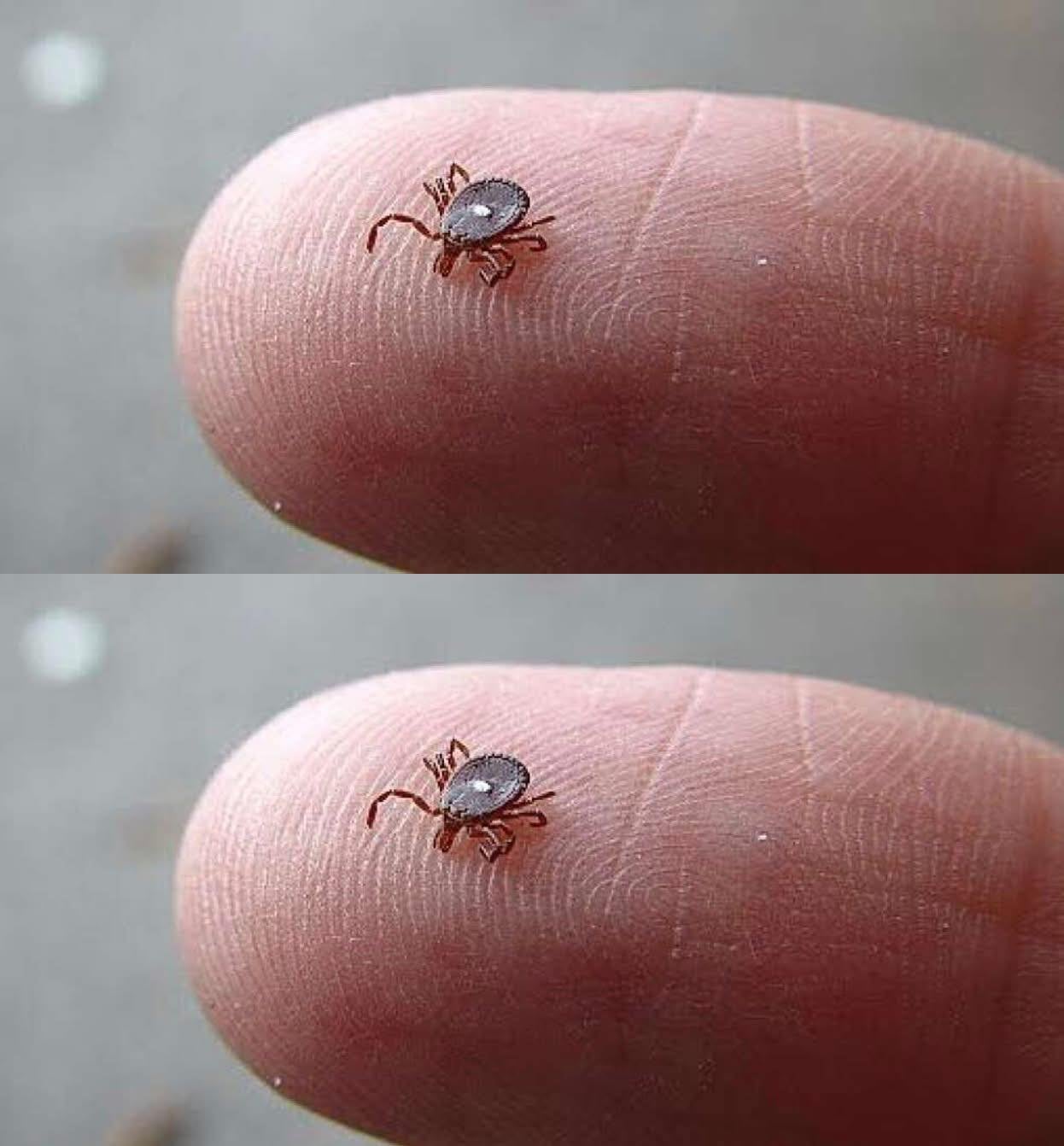
The discovery of a lone star tick is rarely a calm affair. For most, it begins with a moment of chilling realization: a small, dark speck on the skin that shouldn’t be there. In that instant, the mind races through a list of biological horrors. When I first saw one, my hands shook so badly I had to take deep breaths to calm them. Armed only with fine-tipped tweezers and a rush of adrenaline, I performed the delicate extraction. The goal is simple but crucial: to remove the tick with steady, even pressure to ensure the mouthparts aren’t left embedded, turning a simple bite into a localized infection.
Once the intruder was gone, the real work began. I washed the area with antiseptic, feeling each sting of the soap as a reminder of the human body’s vulnerability. I put the tick in a plastic bag—a tiny, trapped piece of evidence of the encounter—and meticulously recorded the date, time, and exact location on my body where it had attached. That night, sleep was a distant luxury. Every phantom itch felt like a new infection, and every muscle twinge like the start of a systemic disaster.
In the following days, my routine shifted from the comfort of home to clinical observation. I became an obsessive inspector of my own skin, searching for telltale signs of trouble: the spreading red rash, the sudden onset of fever, or the deep, persistent aches that indicated a tick-borne illness. But the vigilance wasn’t limited to myself. I spent hours checking my dog’s fur, looking for any stowaways that might have slipped into our shelter. It was a tedious and exhaustive process that highlighted just how much our outside environment had changed.
This encounter was a harsh dose of reality that forced us to completely transform the way my family interacts with the outside world. Casual summer clothes—shorts and sandals—were replaced with the protection of long sleeves and trousers, even on the hottest evenings. We learned the “tuck in and spray” method, making sure to seal every gap and protect every inch of exposed skin with repellent. The garden, once a wild meadow of tall grass and wildflowers, was cut down to the ground, eliminating the damp hiding places where ticks thrive.
The reality of the lone star tick is particularly frightening because of its potential to cause alpha-gal syndrome, a life-altering allergy to red meat. This isn’t just a passing fever; it’s a fundamental shift in biology. Realizing that a single insect can disrupt your diet is enough to trigger a state of constant anxiety. However, as the days turned into weeks and my health stabilized, that paralyzing fear began to transform into something more productive.
Vigilance replaced paralyzing panic. We began to see our garden not as a battlefield, but as a controlled environment where we could still find joy, as long as we followed the rules. Protecting the family from these silent invaders requires more than luck; it requires a commitment to education and preparation. The fear never completely disappears, nor should it. That lingering spark of concern is what keeps us with our tweezers ready, our lawns trimmed, and our repellent applied. In the end, the encounter didn’t steal our love of nature; it simply gave us the tools to navigate it with our eyes wide open.
ou know that moment? Sun beating down. Line limp in the water. You’ve stared at that bobber so long you’re questioning life choices—Did I insult a fish in a past life? Is my bait secretly boring? I was there once, slumped over my tackle box like a man mourning a lost cause, when an old-timer with saltwater in his veins and wisdom in his wrinkles glanced over.
Small component identification
“You try glass rattles?” he asked.
I blinked. “Glass what?”
He opened his palm. Nestled there: a translucent capsule no bigger than a grain of rice, with three tiny ball bearings dancing inside. It looked like a vending machine trinket. A joke. But desperation is a powerful teacher. I took it.
And that tiny rattle changed everything.
WHAT ARE THESE THINGS? (NO, REALLY)
They’re exactly what they sound like: sealed glass or acrylic tubes (about 8–12mm long) housing 2–3 miniature steel bearings. Shake one—click-click-click—and you’ll hear it. Underwater? That subtle vibration mimics a wounded minnow, a crayfish scrambling over rocks, or baitfish in distress.
Fish don’t just see prey—they feel it. Bass, pike, walleye—they all rely on their lateral line, a sensory system that detects vibrations in murky water, low light, or heavy cover. That faint rattle isn’t noise. It’s a dinner bell.
Think of it this way: your lure is the main course. The rattle? The pinch of salt that wakes up the whole dish.
